Kitchen and Dining Décor: Designing Functional and Beautiful Everyday Spaces
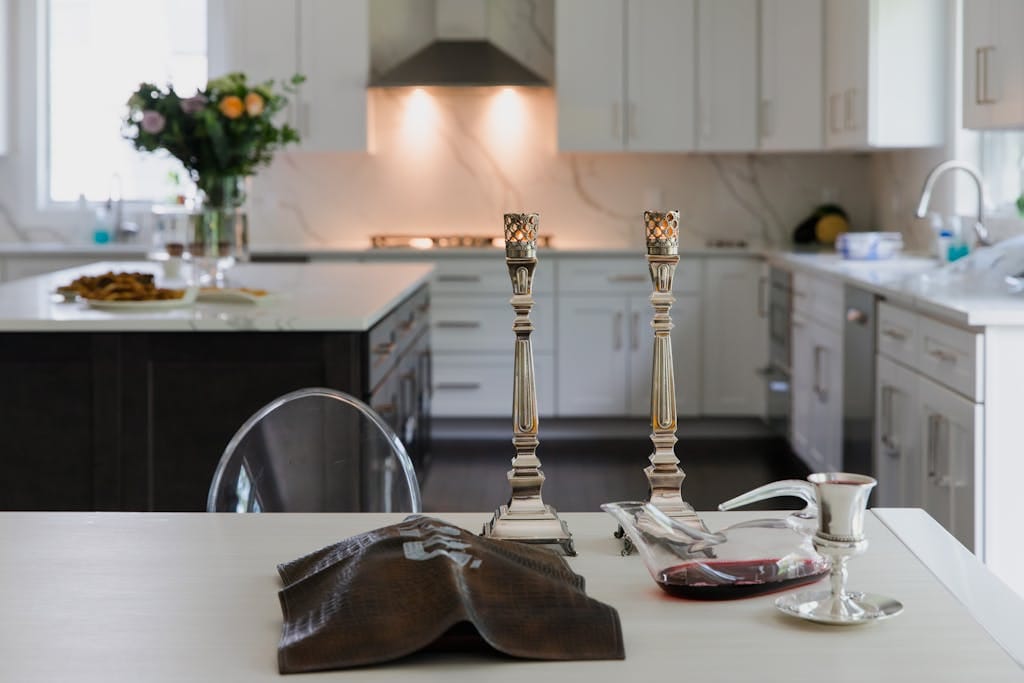
introduction of modern living, our kitchens and dining areas have gracefully transformed. They are no longer mere corners for culinary endeavors and meals. Instead, these spaces have evolved into the vibrant heart of our homes—where flavors blend with laughter, stories are shared, and cherished memories are crafted. At EcomeBoss, we understand the importance of these spaces, and we are committed to helping you design areas that are both practical and visually stunning.
This article explores the art of crafting kitchen and dining environments that seamlessly blend functionality with beauty. We will delve into the multifaceted roles these spaces play in contemporary life, from being the stage for family gatherings to serving as productive work zones. Our aim is to equip you with insights and inspiration to create a kitchen and dining area that not only meets your everyday needs but also uplifts your spirit with its aesthetic appeal.
Join us on this journey as we turn visions into reality, ensuring your kitchen and dining spaces are not just rooms, but experiences that enhance your home and enrich your life.
In today’s fast-paced world, the kitchen and dining areas have evolved beyond their traditional roles. They have become the heart of the home—a place where culinary magic happens, family bonds are strengthened, and memories are created. At EcomeBoss, we believe in creating spaces that are not only functional but also exude beauty and style. In this article, we will guide you through the nuances of designing kitchen and dining spaces that are both practical and aesthetically pleasing.
Understanding the Role of Kitchen and Dining Areas
Before diving into design specifics, it’s essential to understand the role that kitchen and dining spaces play in our daily lives. These areas are no longer just about cooking and eating; they are hubs of activity. From hosting dinner parties to helping children with homework, the kitchen and dining room serve multiple purposes. This multifunctional nature is at the core of modern design strategies.
The Fundamentals of Functional Design
Layout and Flow
The layout is the backbone of any kitchen or dining room design. A well-thought-out layout ensures seamless flow and functionality. The classic “kitchen work triangle”—connecting the sink, refrigerator, and stove—remains a foundational concept. However, modern designs often incorporate additional elements like islands or breakfast nooks to enhance the space’s usability.
Key Considerations:
- Efficiency: Prioritize ease of movement between stations.
- Accessibility: Ensure that all areas are easily reachable.
- Space Utilization: Maximize the available space without overcrowding.
Storage Solutions
An organized kitchen is a functional kitchen. Innovative storage solutions are vital for maintaining a clutter-free environment. Consider options like pull-out shelves, lazy Susans, and under-cabinet storage to keep essentials within arm’s reach while maintaining a tidy appearance.
Innovative Storage Ideas:
- Vertical Storage: Utilize wall space with hanging racks and shelves.
- Hidden Compartments: Incorporate drawer dividers and hidden cabinets.
- Multi-functional Furniture: Opt for dining tables with built-in storage.
Infusing Beauty into Everyday Spaces
Color Palette and Materials
The choice of colors and materials sets the tone for the entire space. Neutral tones such as whites, grays, and beiges create a calming backdrop, while bold hues can add personality and flair. Materials like wood, stone, and metal not only contribute to the aesthetic appeal but also enhance durability.
Tips for Choosing Colors and Materials:
- Complementary Colors: Select colors that harmonize well together.
- Texture Variation: Mix different textures for added depth.
- Sustainable Materials: Consider eco-friendly options for a greener home.
Lighting: The Unsung Hero
Lighting is a critical component that can transform the ambiance of a room. A combination of task, ambient, and accent lighting ensures that the space is both functional and inviting. Pendant lights, chandeliers, and under-cabinet lighting are popular choices that add style and warmth.
Lighting Strategies:
- Layered Lighting: Combine different types of lighting for versatility.
- Dimmers: Install dimmers to control light intensity.
- Natural Light: Maximize windows and skylights for daylight exposure.
Personalizing Your Space
Decorative Elements
Personal touches can elevate the look of your kitchen and dining areas. Artwork, plants, and decorative items infuse personality and charm. Consider rotating these elements seasonally for a fresh look year-round.
Ideas for Personalization:
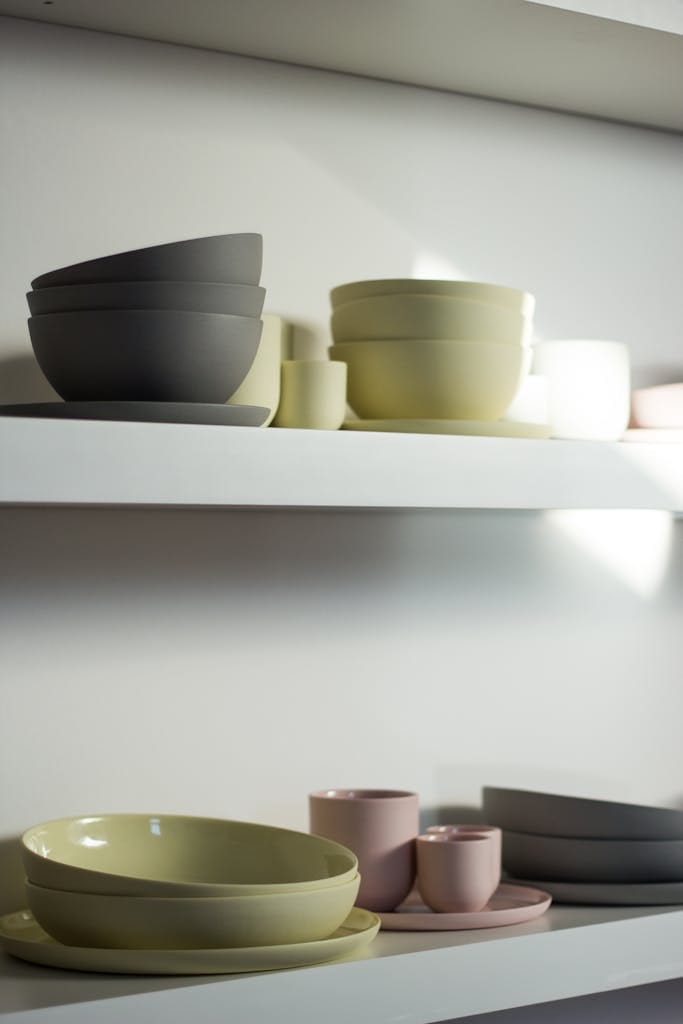
- Art Displays: Use open shelves to showcase art and collectibles.
- Greenery: Incorporate plants for a touch of nature.
- Themed Decor: Choose themes that reflect your personal taste.
Incorporating Technology

Smart technology is revolutionizing kitchen and dining experiences. From smart appliances to voice-controlled lighting, technology enhances convenience and efficiency. Integrating technology into your design can also add a modern touch to your home.
Tech Integration Tips:
- Smart Appliances: Invest in energy-efficient appliances with smart capabilities.
- Home Automation: Use smart systems for lighting and temperature control.
- Wireless Solutions: Opt for Bluetooth speakers for a seamless audio experience.
Creating a Cohesive Design

Harmonizing Kitchen and Dining Areas
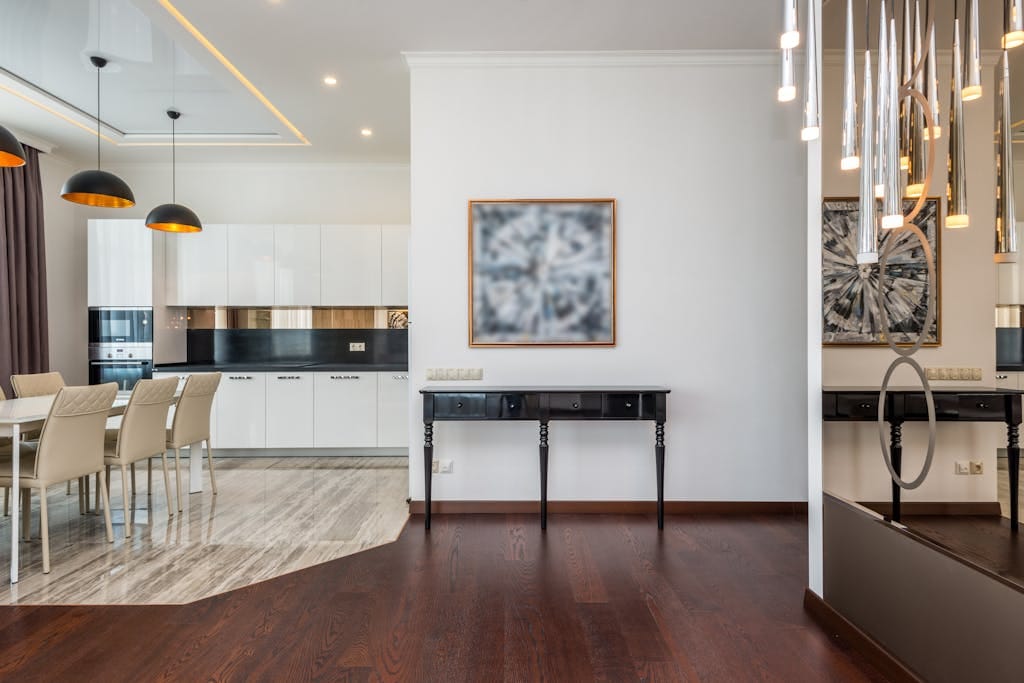
A cohesive design ensures that the kitchen and dining areas complement each other. Consistent design elements such as color schemes, materials, and styles create a unified look. Open-plan layouts are particularly effective in achieving this harmony.
Strategies for Cohesion:
- Consistent Theme: Maintain a uniform style between areas.
- Shared Elements: Use similar materials and finishes throughout.
- Open Spaces: Consider open layouts for a seamless transition.
Balancing Functionality and Aesthetics
The ultimate goal is to strike a perfect balance between functionality and aesthetics. It’s important to remember that beauty should never come at the expense of practicality. Prioritize designs that enhance usability while also pleasing the eye.
Balancing Tips:
- Prioritize Needs: Focus on essential functions before aesthetics.
- Flexible Design: Choose adaptable designs that can evolve over time.
- Timeless Appeal: Opt for classic styles that withstand changing trends.
Conclusion: Your Dream Kitchen and Dining Spaces
Designing kitchen and dining spaces that are both functional and beautiful is an art. By focusing on layout, storage, aesthetics, personalization, and cohesion, you can create a space that meets your needs and reflects your personal style. At EcomeBoss, we believe that with the right approach, your kitchen and dining areas can become the most cherished spaces in your home.
As you embark on your design journey, remember that the ultimate goal is to create spaces that enrich your daily life, foster connections, and provide joy for years to come. Happy designing!